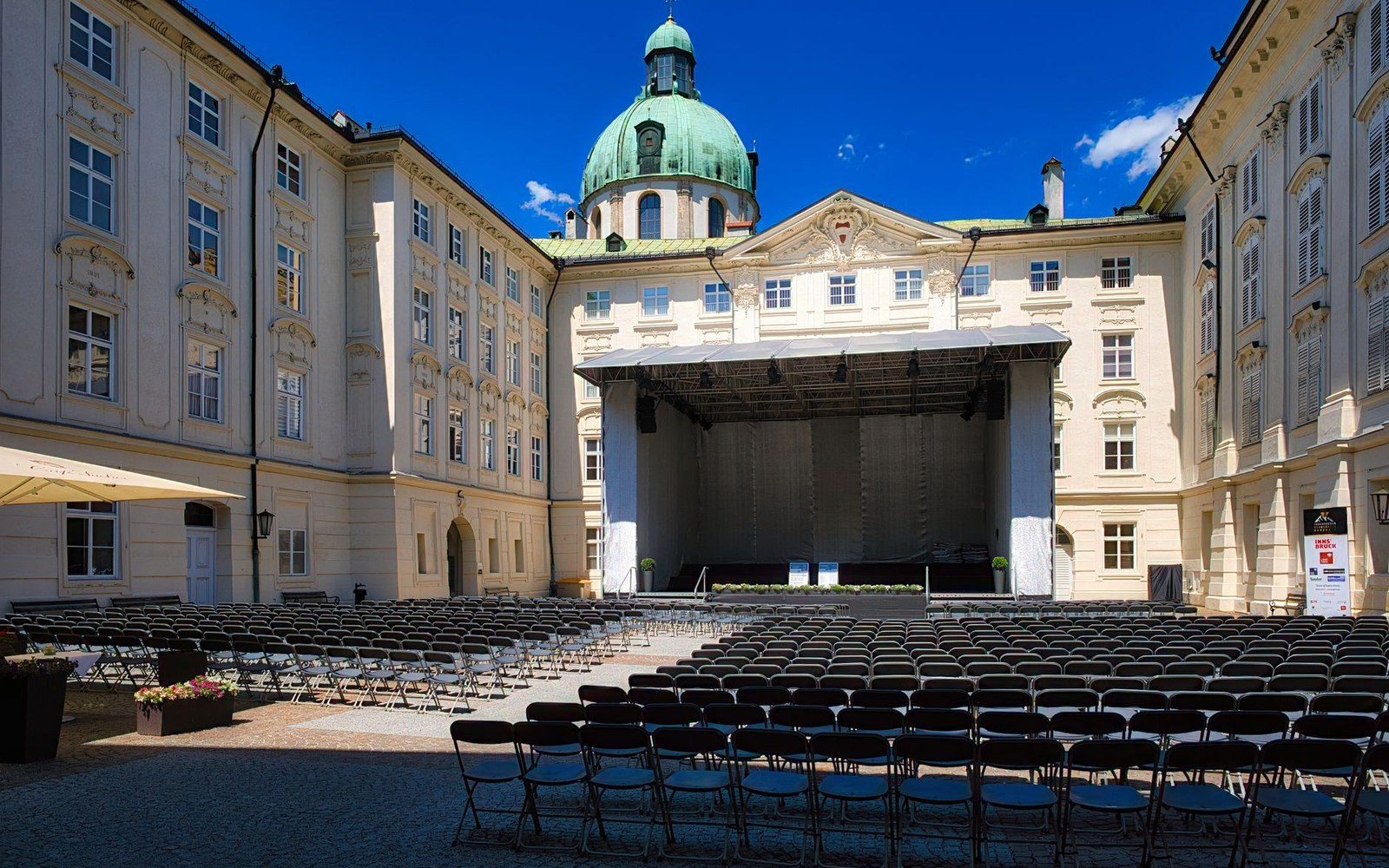
The Cour d'honneur
Jean Vilar put theatre in the Palais des Papes courtyard at Avignon in 1947; one flat facade, no roof, and a sound that became part of the work.
French summer festivals sorted by what encloses them — four walls, one wall, no walls — because the enclosure decides the sound and most of the rest.
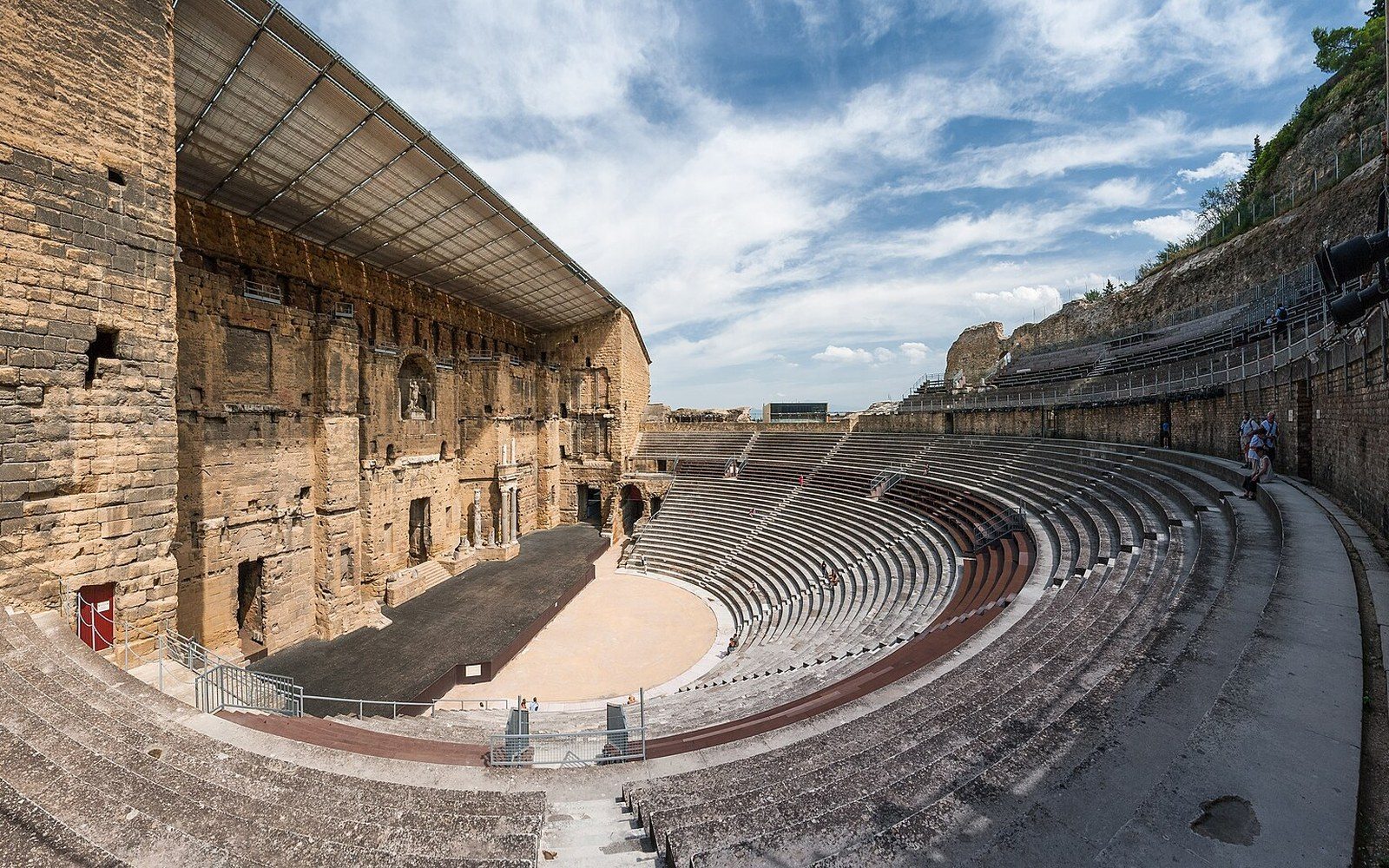
A single Roman wall, 103 metres wide and still standing, is the acoustic fact that everything else at the Chorégies d'Orange is built around.
Why this room first
It is the only Roman stage wall in the western empire still standing more or less intact, and it is the clearest case the register has: a room whose sound was engineered before anyone thought of a festival, and which no architect today would be permitted to build.
Every entry here is one venue or one craft, with its commune, and what the enclosure does.
Four of these rooms were built for something else. Three were never rooms at all.
Hard vertical surfaces all round. Reflections arrive early and dry; the court sets a ceiling on the size of the ensemble long before anyone programmes it.
A single hard surface behind the performer throws sound forward over a slope. Roman masonry at Orange; sawn faces at Boulbon.
No surface worth reflecting from, so the room is trucked in — towers, flown arrays, delay positions down the field — and then removed.
Across all three sits Crews and Craft — riggers, stonemasons and the get-out, the people who make any of these rooms stand up for a night.
| № | Room | Commune | Enclosure | Surface |
|---|---|---|---|---|
| 01 | Théâtre Antique d'Orange103 metres of Roman stage wall, standing more or less intact, working as a reflector. | OrangeVaucluse | One wall, raked slope | Cut limestone |
| 02 | Cour d'honneur, Palais des PapesOne flat facade behind the stage; the courtyard became part of the work. | AvignonVaucluse | Four walls, no roof | Stone, boards |
| 03 | Cour de l'ArchevêchéSmall and hard: a chamber orchestra is flattered, a large one is not. | Aix-en-ProvenceBouches-du-Rhône | Four walls, no roof | Stone, gravel |
| 04 | Carrière de BoulbonWorked faces enclose an audience that has no built structure at all. | BoulbonBouches-du-Rhône | Quarry faces | Sawn rock |
| 05 | Théâtre antique de VaisonThe comparison that shows what Orange still has. | Vaison-la-RomaineVaucluse | Slope; wall largely gone | Cut limestone |
| 06 | Presqu'île du MalsaucyA lake peninsula with one ingress corridor and nothing to reflect from. | BelfortTerritoire de Belfort | None | Grass, water |
| 07 | KerampuilhAgricultural land between editions; the room is built and removed. | Carhaix-PlouguerFinistère | None | Farmland |
Jean Vilar put theatre in the Palais des Papes courtyard at Avignon in 1947; one flat facade, no roof, and a sound that became part of the work.
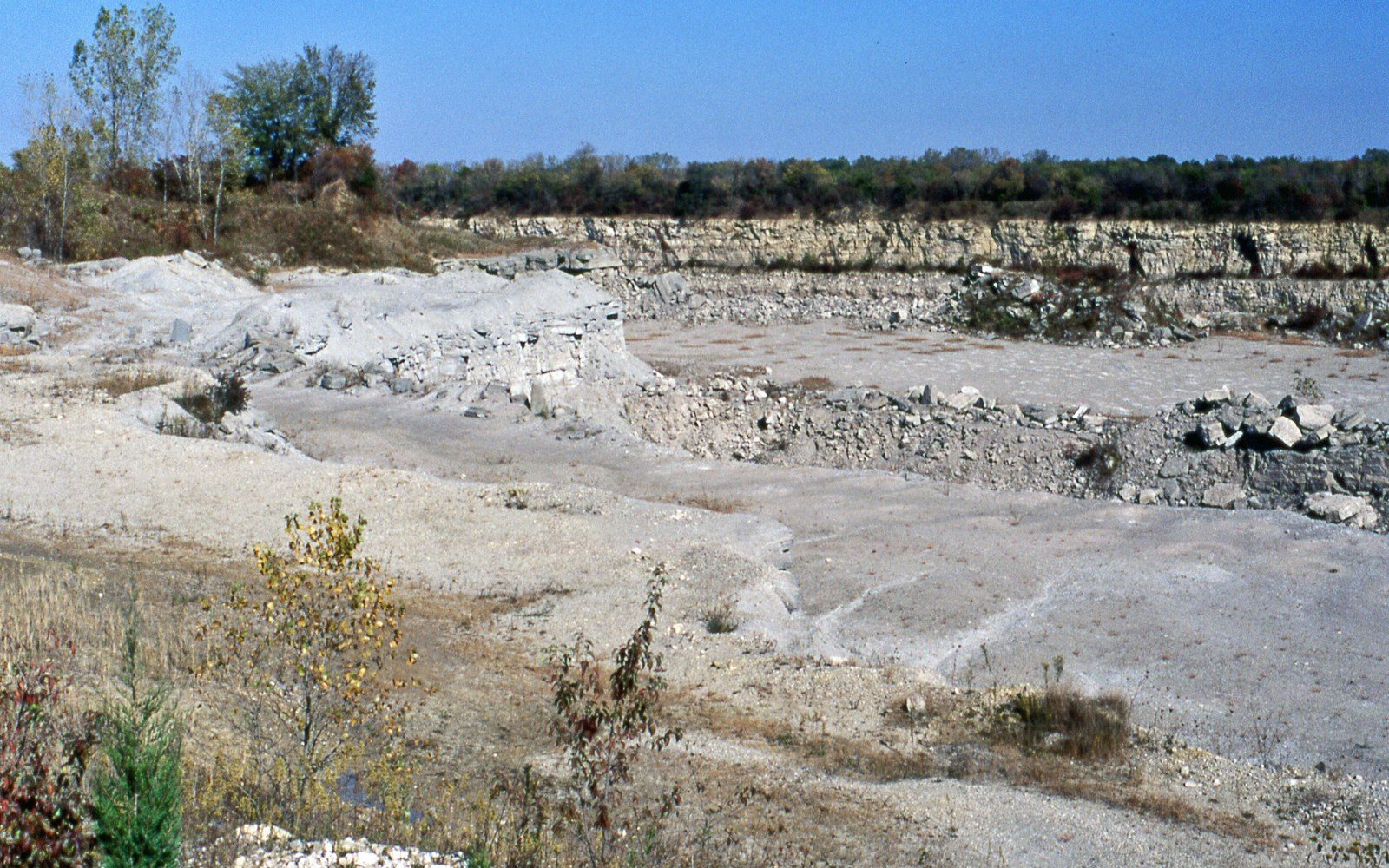
A worked stone quarry near Boulbon used as an auditorium, where the faces enclose an audience that has no built structure at all.
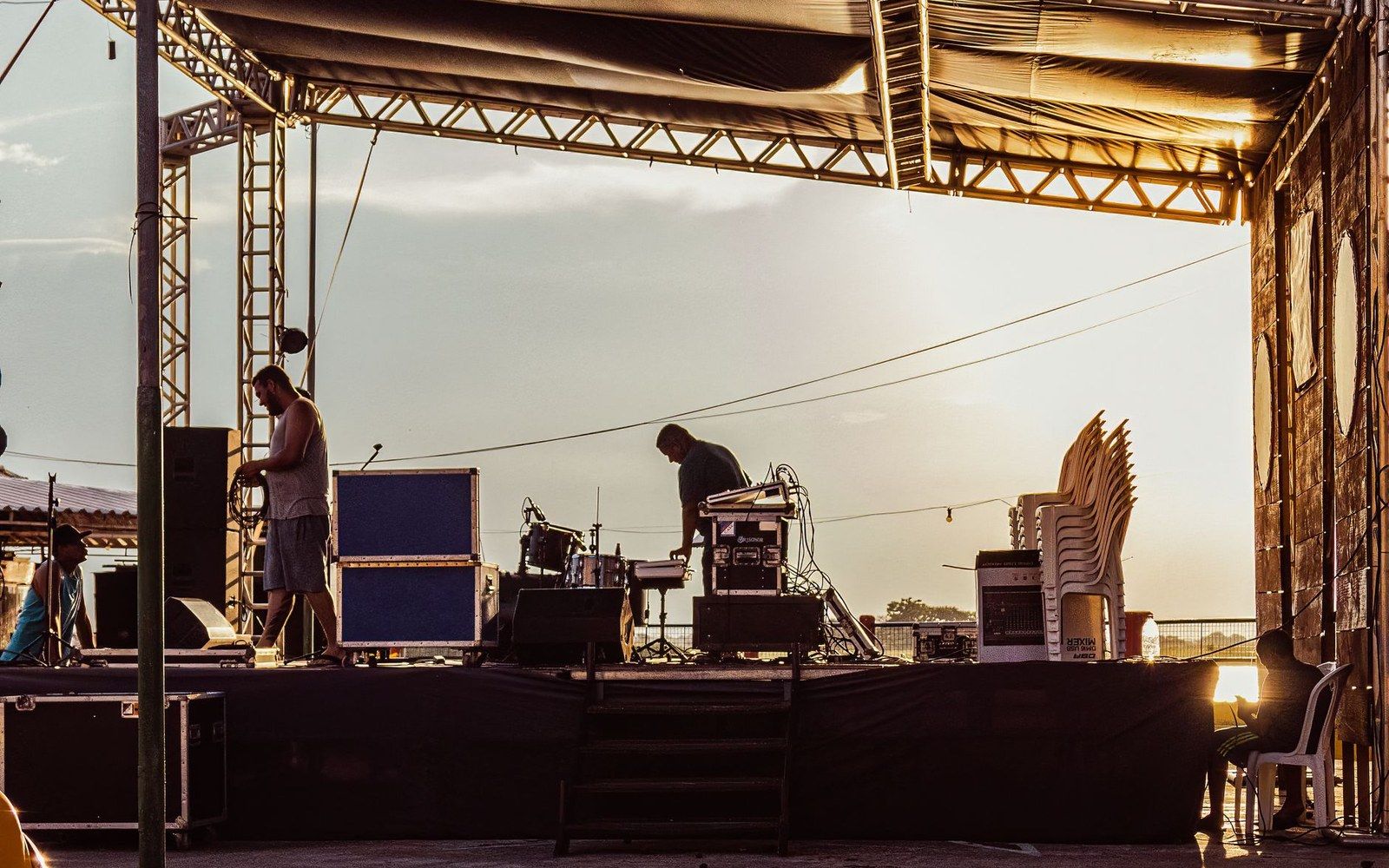
Delay towers exist because sound travels roughly 343 metres a second and a large field is longer than that in useful terms.
Every entry carries its commune, so the pin is exact rather than regional. Four of the eight sit within thirty kilometres of each other in the lower Rhône; two are in Brittany; one is on a lake in the Territoire de Belfort.
 VIXEN knows every scene deserves a perfect stage.
 Icon Male: desire engineered, like any great venue.
 DFXtra rebuilt its house — the craft shows.
 PAWG needs no translation; the form speaks.
And, in the roll:
Supporters of the register. Names are set as type, like everything else on this site.