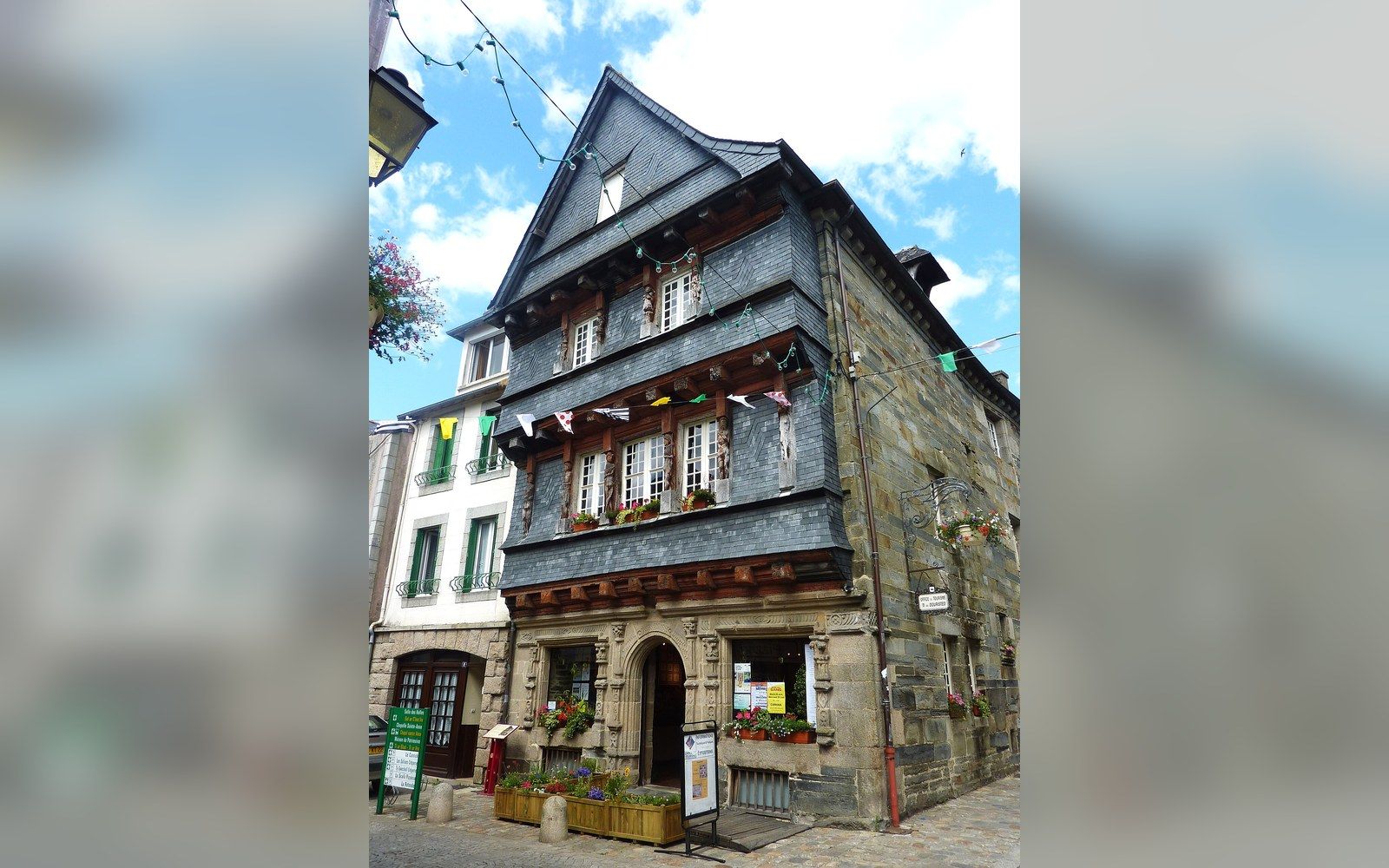
The ground under it all
Carhaix-Plouguer sits in the middle of Brittany, far from any obvious cultural infrastructure — no Roman theatre, no episcopal courtyard, no cliff face to borrow for a backdrop. When the Vieilles Charrues festival took root here in the early 1990s, it chose agricultural land on the plateau above the town, and that choice has defined everything since.
The site is genuinely flat and genuinely rural. In July the ground is usually firm enough to hold the weight of a stage — steel deck, trusses, line arrays, delay towers, the full temporary infrastructure of a large outdoor show — spread across fields that belong to local farmers.
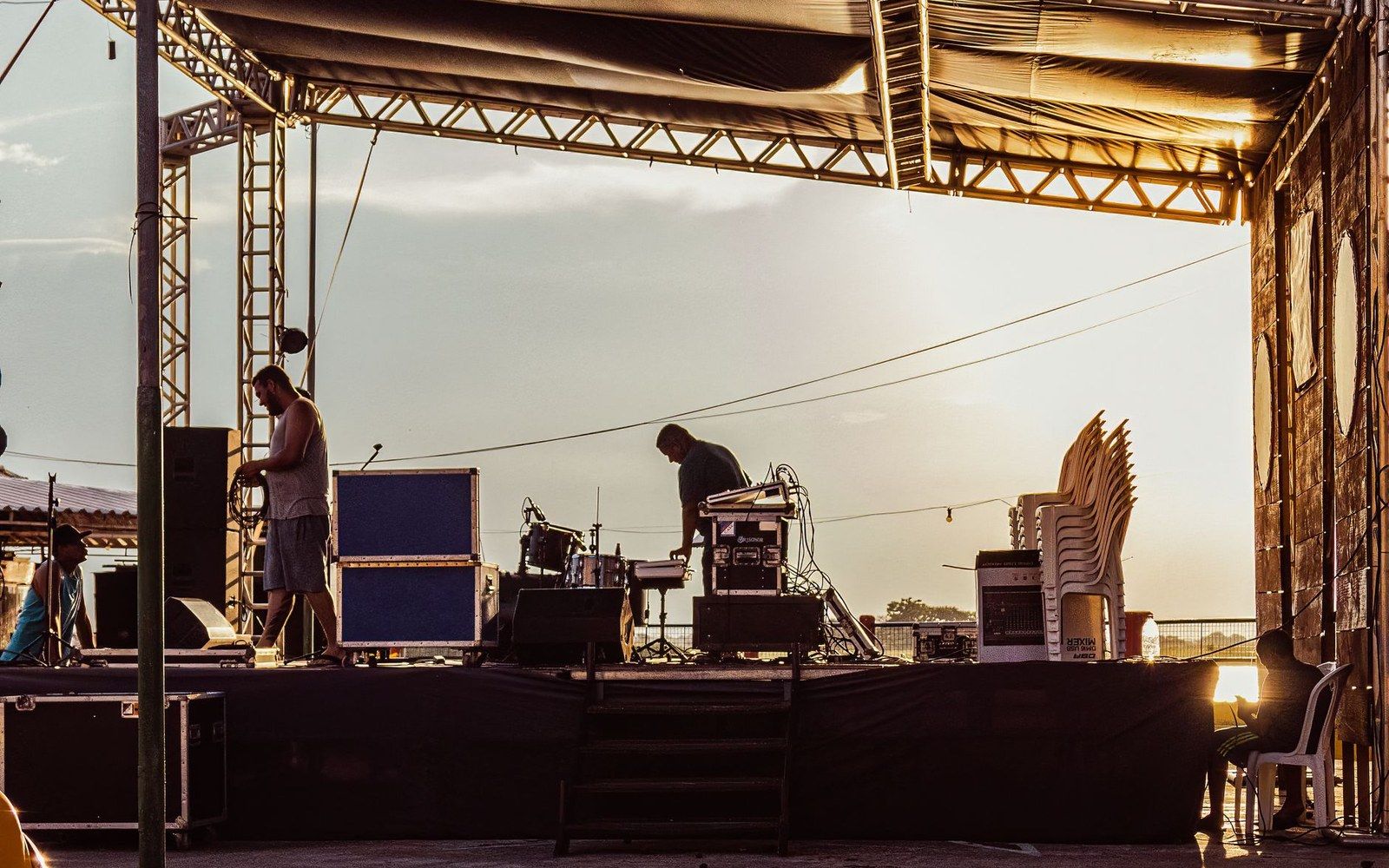
By September, the machinery is gone and the land returns to its agricultural cycle. No permanent structure marks what happened there. No concrete apron, no fixed stage house, no permanent power supply.
That impermanence is not incidental; it is the entire engineering challenge. Everything that a permanent venue takes for granted — drainage, load-bearing ground, power, access roads — has to be assessed, installed and removed on a cycle measured in weeks. Mud decides more than the programme does: a wet July in Finistère can turn compacted topsoil into a surface that defeats vehicle access and undermines stage footings before the first act has sound-checked.
The logistics run backwards from a fixed deadline. Farmers need their fields back, so the get-out is not negotiated — it is contractual. That constraint shapes the entire production calendar: what can be pre-rigged, what must wait for site clearance, what leaves overnight.
What the site is
- Vieilles Charrues
- the festival held on agricultural land above Carhaix-Plouguer, Finistère
- Carhaix-Plouguer
- the commune; inland Brittany, no permanent festival infrastructure
- presqu'île
- not applicable here; the contrast with enclosed or semi-enclosed venues is the point
What Carhaix does not have in stone, it makes up in scale and in the specific acoustic properties of open flat land with no reflective surfaces — which is to say it has almost none.
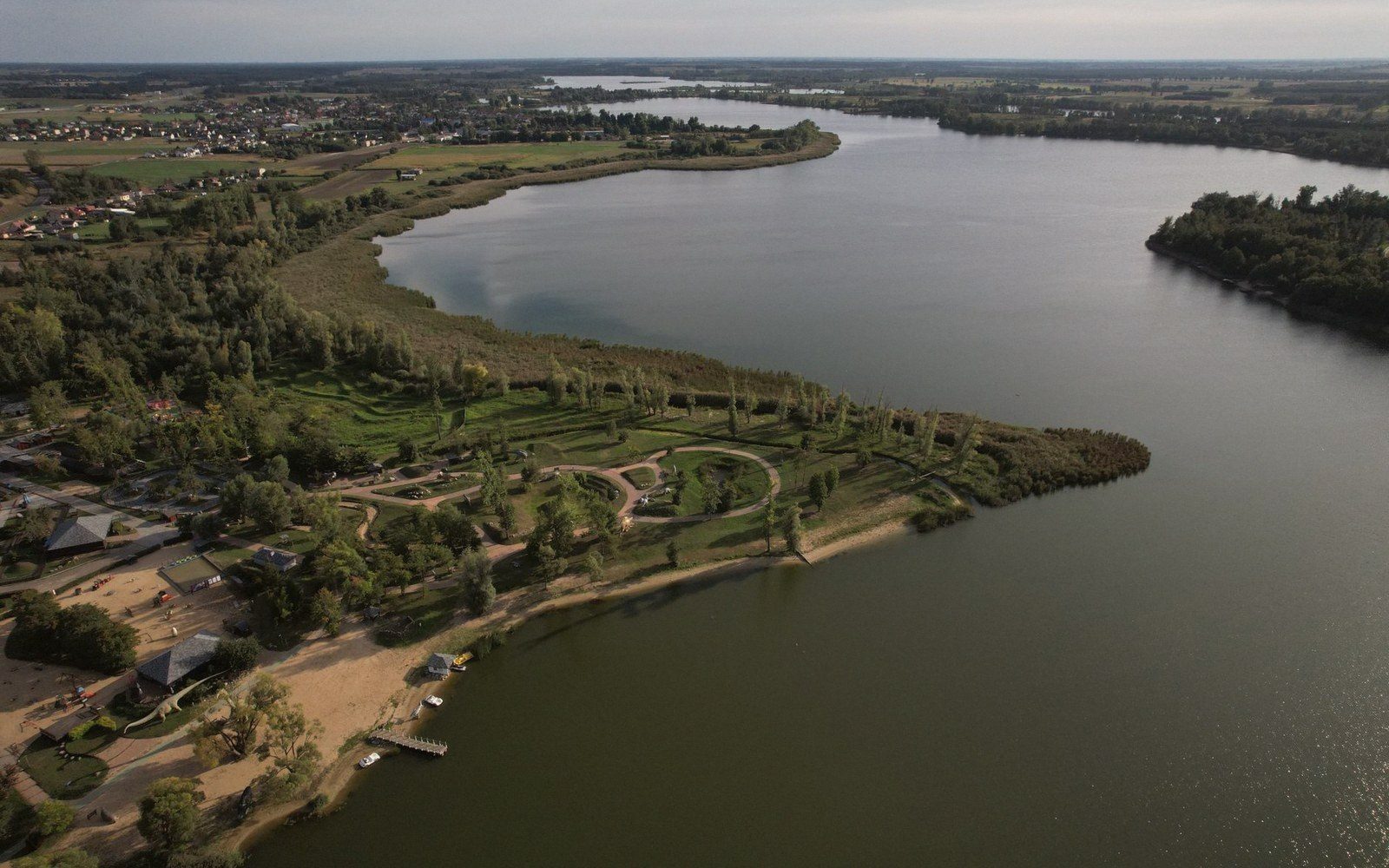
Every sound decision is made with amplification doing all the work, the horizon offering nothing back. That is not a problem to be solved so much as a condition to be understood, and the crews who return year after year to the plateau above Carhaix-Plouguer understand it precisely.
That constraint shapes the entire production calendar: what can be pre-rigged, what must wait for site clearance, what leaves overnight.