A hole in the limestone that became a room
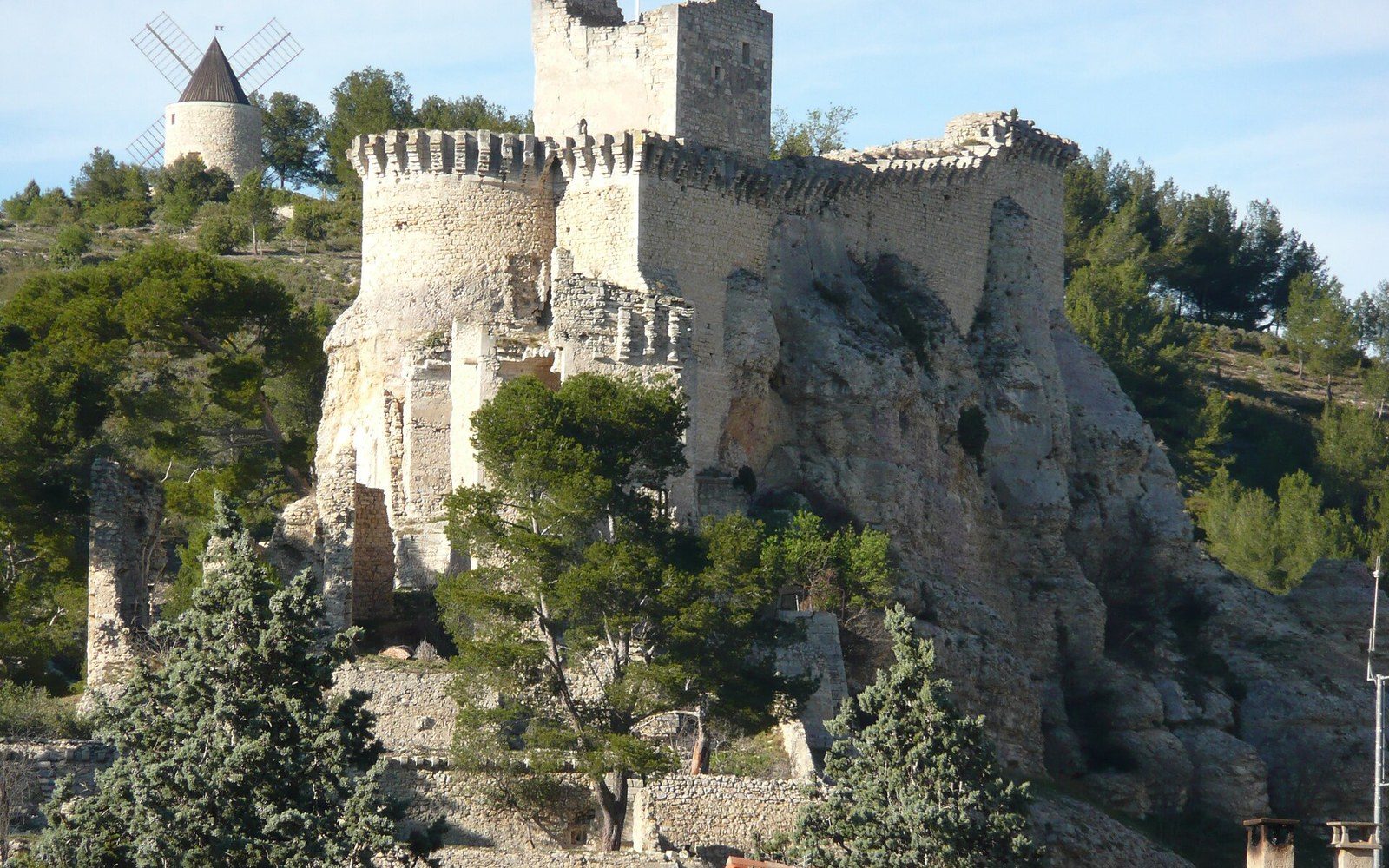
The commune of Boulbon sits on the left bank of the Rhône in the Bouches-du-Rhône, a few kilometres north of Tarascon, where flat agricultural plain meets the abrupt limestone escarpment of the Chaîne des Alpilles. The quarry cut into that escarpment — the Carrière de Boulbon — was worked for building stone over centuries, and when the cutting stopped it left behind something that builders rarely intend: a near-perfect enclosure.
Three rock faces, roughly semicircular in plan, rise to ten or twelve metres. The floor is level. The opening faces roughly south. Nobody designed it as an auditorium, but it functions as one with an authority that most purpose-built venues never achieve.
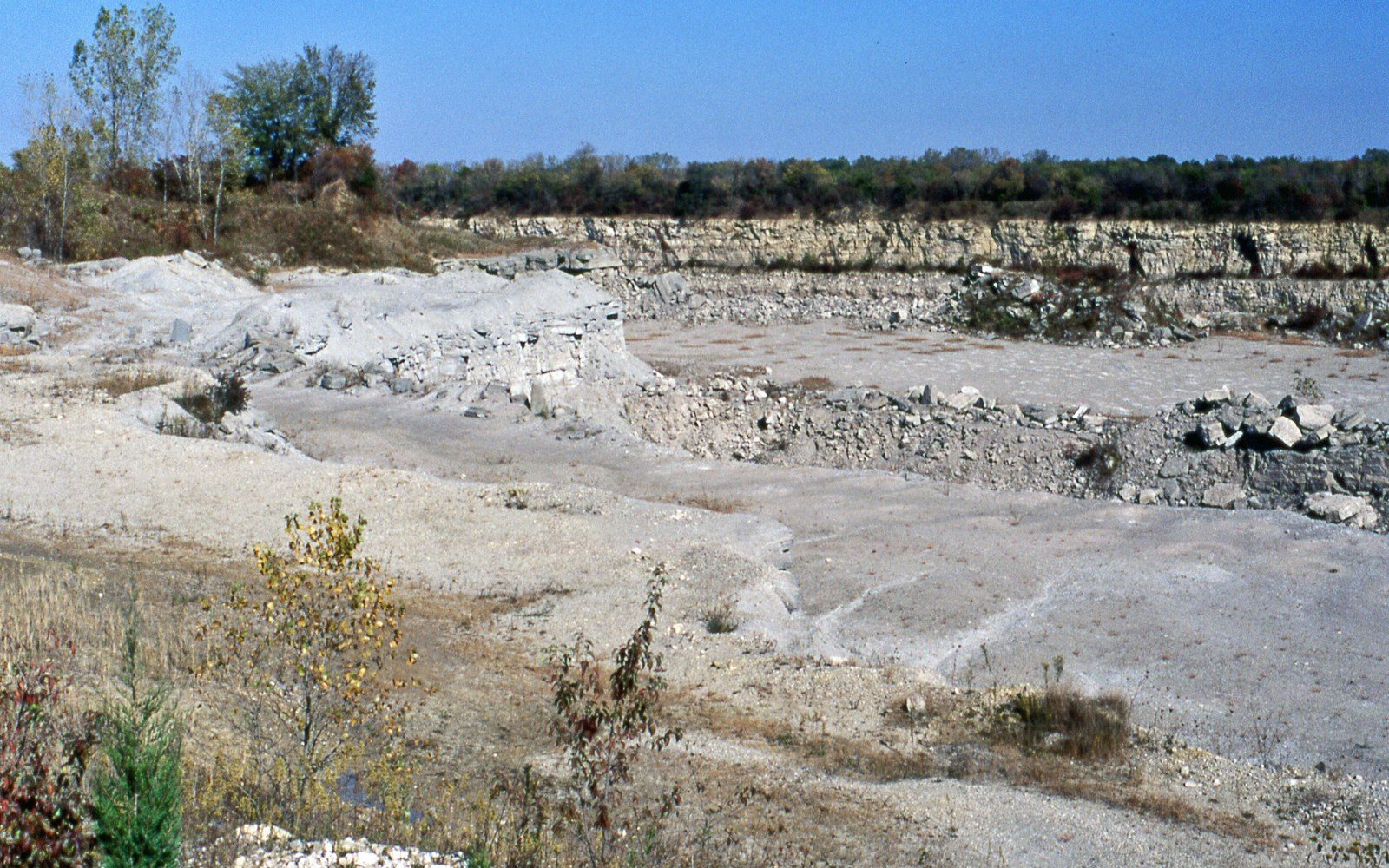
The Festival d'Avignon began using the Carrière de Boulbon in the 1980s, extending its reach beyond the city of Avignon itself into the surrounding Vaucluse and Bouches-du-Rhône countryside.
The site suited the festival's ambition to work at scales and in forms that the Cour d'honneur at the Palais des Papes could not accommodate — specifically, work that needed enclosure without grandeur, intimacy without a small room. The quarry offered all three walls and no fourth: the audience faces the open face of the rock, and the sky is the ceiling.
What the space is
- Carrière de Boulbon
- a worked limestone quarry in the commune of Boulbon, Bouches-du-Rhône, used as an open-air auditorium
- Three natural rock faces, roughly semicircular, rising ten to twelve metres; level floor; open to the south
- No permanent seating structure
- sightlines solved production by production
What the stone does
The acoustic logic of a worked quarry differs from that of a Roman theatre or a cloister. There is no scaenae frons — no built vertical surface behind the performer — but the surrounding rock faces perform a version of the same service, returning sound from three sides rather than one.
Cut limestone is hard and irregular: it scatters rather than echoes cleanly, which distributes early reflections across the audience without the sharp slap-back that a flat wall would produce. The result is a reverberation time that feels contained but not dead, alive without becoming blurred.
The audience sits — or stands, or is positioned — without tiered seating built into the ground. Productions brought to the Carrière de Boulbon must solve the sightline problem from first principles each time.

That is partly a constraint and partly a creative condition: directors who have worked here have tended to use it rather than fight it, keeping the action low and close, trusting the enclosure to hold the sound while the audience adjusts to the rock.
Temperature matters as much as stone. Summer nights in the Bouches-du-Rhône drop sharply once the sun leaves the quarry walls, and the rock retains the day's heat and releases it slowly into the performance space.
That thermal mass is one reason the site feels inhabited even before anyone sets foot in it — the stone is warm to the touch well into the evening. The mistral is a more irregular presence: the escarpment deflects it in most wind directions, but not all, and scheduling here carries the same meteorological uncertainty it carries anywhere in Provence.
The audience sits — or stands, or is positioned — without tiered seating built into the ground.
Getting in and out
The Carrière de Boulbon sits at the end of a single access road, and that geometry controls everything else. There is no backstage in the conventional sense — the quarry has a floor and walls, and whatever infrastructure a production requires must arrive through the one opening and be built against or in front of the rock.
Power comes in by cable. Lighting rigs are assembled from the ground up, hung from temporary steelwork or from anchors fixed into the stone with the permissions and reversibility that working on a protected landscape demands. The get-out after a run is a compression of all that labour into a single overnight operation down the same single road.
None of this is invisible to the people who work here, and the site has a reputation — affectionate and slightly wary — as a place that rewards preparation and punishes shortcuts. Crews who have loaded into the Carrière de Boulbon describe the morning after a get-out with the particular satisfaction of a problem solved under difficult conditions: the stone indifferent, the road narrow, the calendar fixed, and the show having happened anyway.