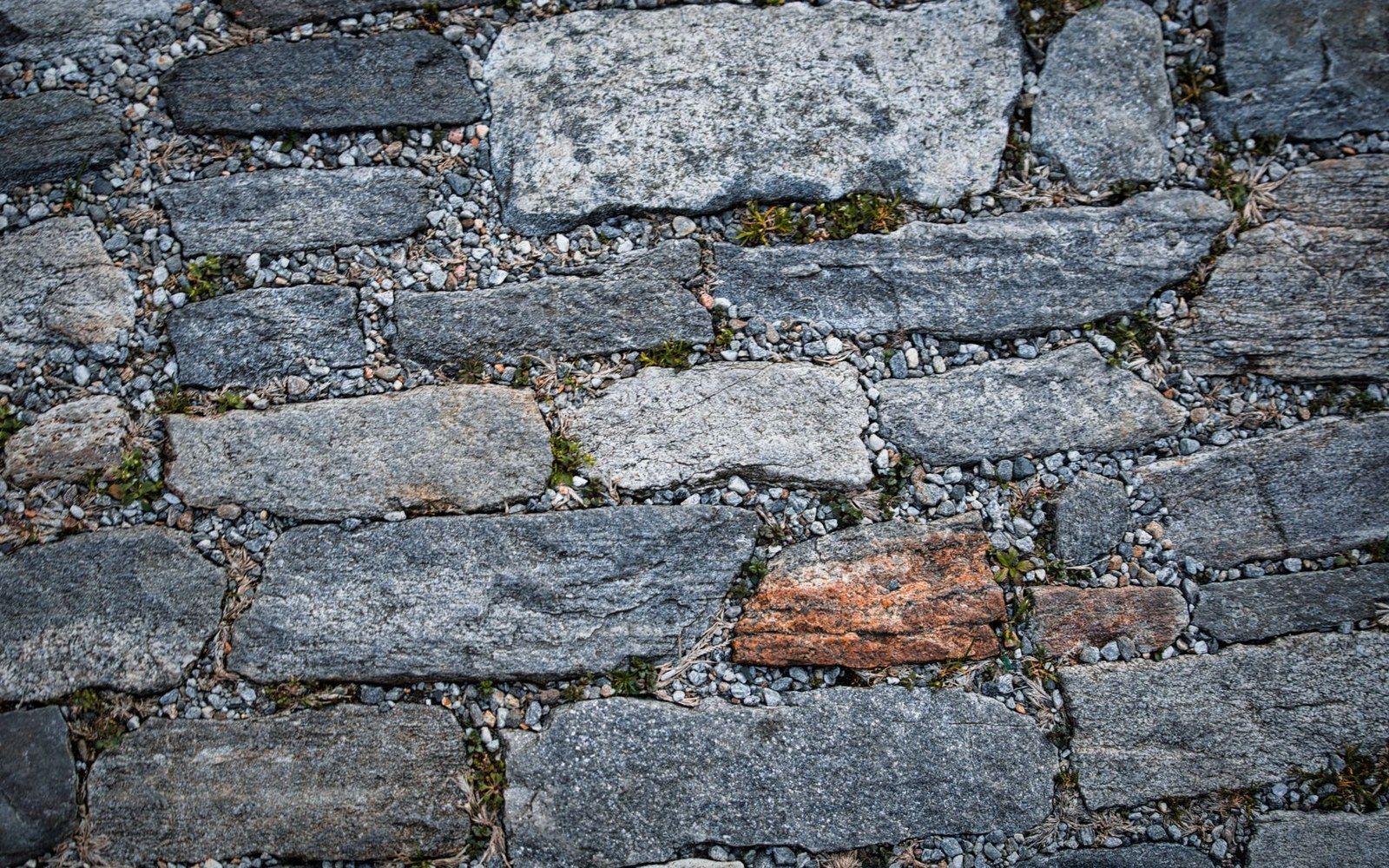
Why cut rock does not echo back
A quarry wall is nothing like a concert-hall wall. Where a dressed surface returns sound in a coherent early reflection — the kind a scaenae frons exploits — a worked rock face scatters it.
The cuts left by quarrying tools are irregular at every scale: broad facets tilted at competing angles, pockets and ledges, projecting ribs of harder stone where the blade skipped. No two square metres sit in the same plane. A sound wave arriving at that surface does not bounce back as one; it fans outward in dozens of directions at once.
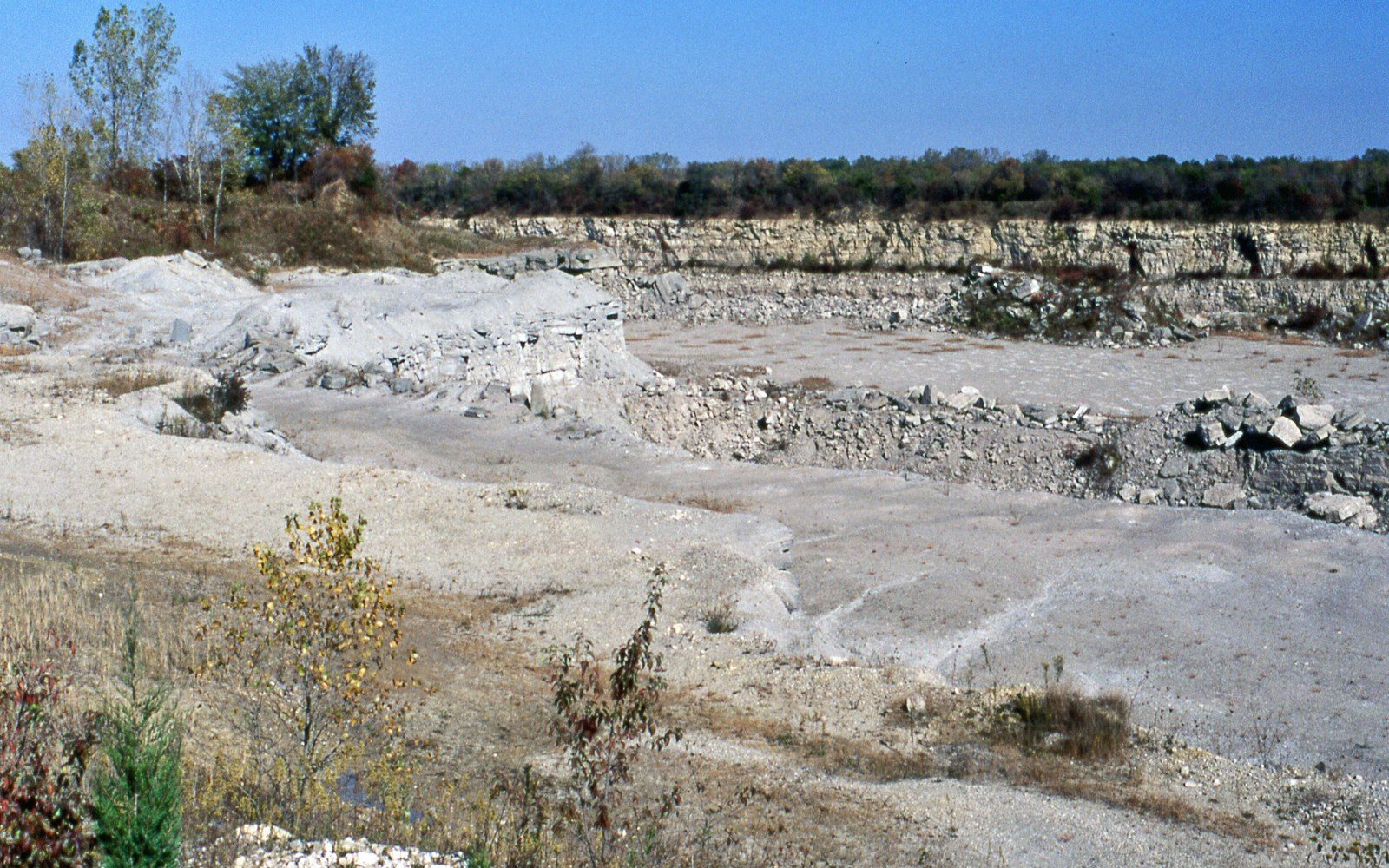
This is diffusion, and in a quarried enclosure like the Carrière de Boulbon near Boulbon in the Bouches-du-Rhône it does something acoustically useful: it kills the discrete echo.
A smooth parallel wall at distance returns a distinct repeat — an audible ghost that muddies speech and smears transients. The rough quarry face breaks the wavefront apart, spreading energy across time and angle until no single reflection is loud enough to be heard as a separate event.
The tradeoff is energy loss. Diffusion dissipates more acoustic power than specular reflection does, so a quarry enclosure tends toward a drier, shorter reverberation time than a hard enclosed box of similar volume.
Acoustic terms, briefly
- diffusion
- scattering of a sound wave across multiple angles, as opposed to a single coherent reflection
- specular reflection
- mirror-like bounce from a flat surface, returns sound in one direction at a predictable angle
- reverberation time
- the duration for a sound to decay by 60 dB after the source stops; quarries tend short
- surface impedance
- a material's resistance to acoustic pressure; high in dense stone, meaning little absorption
Stone itself absorbs almost nothing — its surface impedance is high — but the geometry does the work that absorption does in a built hall. The result is an acoustic environment that can feel surprisingly intimate despite the raw scale of the walls, provided the enclosure is deep enough to keep the sky-gap narrow.
Temperature and humidity complicate matters further. Cut limestone and sandstone both have microscale porosity. In the cool of a quarry evening, surface condensation can marginally increase absorption at high frequencies, softening the upper register of an amplified mix.
Sound engineers working quarry stages learn to adjust high-frequency gain as the night deepens — a variable no manufacturer's data sheet for a line array accounts for, because it belongs to this particular rock face, in this particular hollow, in this particular season.
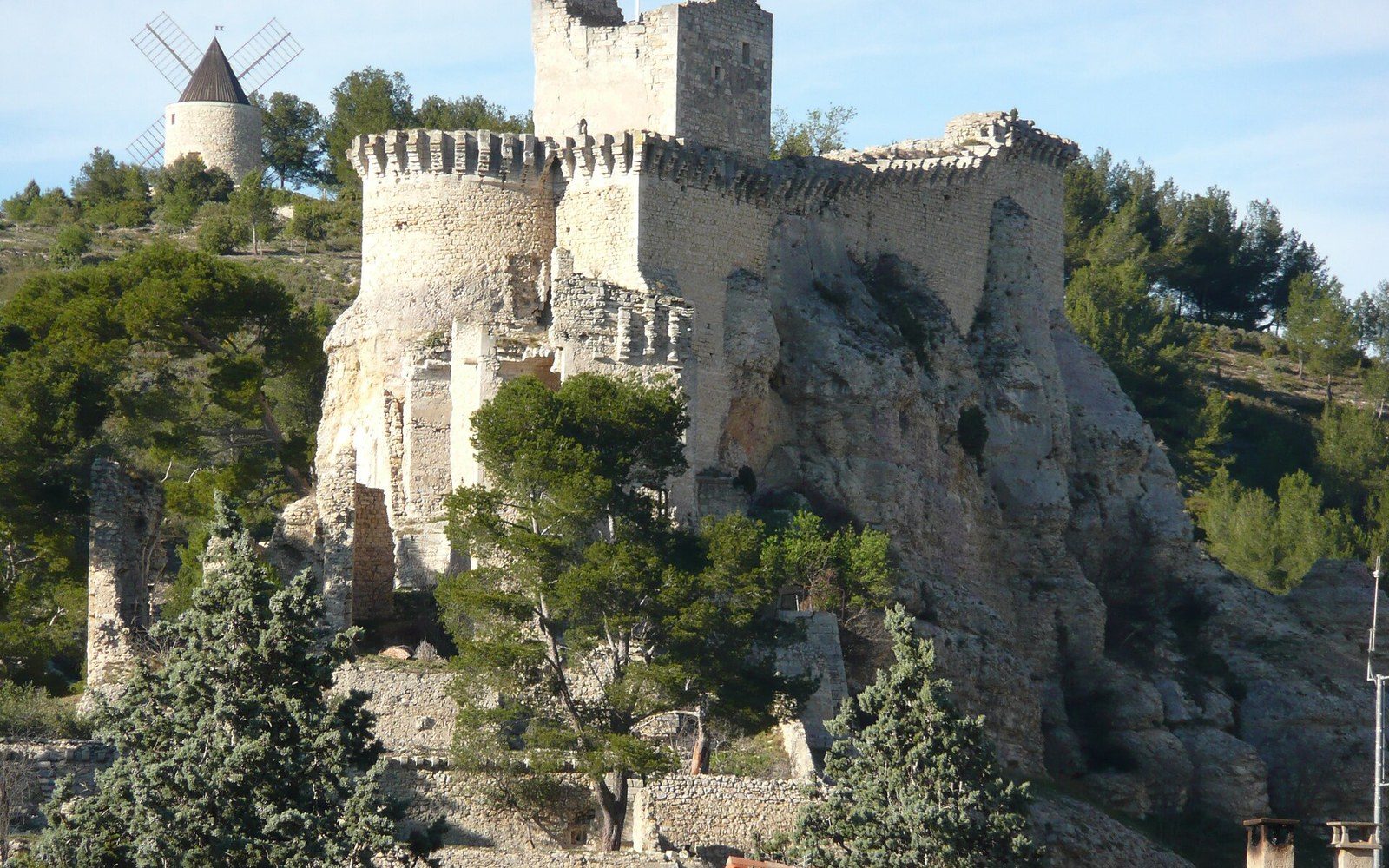
That specificity is exactly the point. A quarry is not a generic outdoor stage. Its acoustic character is the direct consequence of how it was cut.
Stone itself absorbs almost nothing — its surface impedance is high — but the geometry does the work that absorption does in a built hall.