
When the last note ends, the clock starts
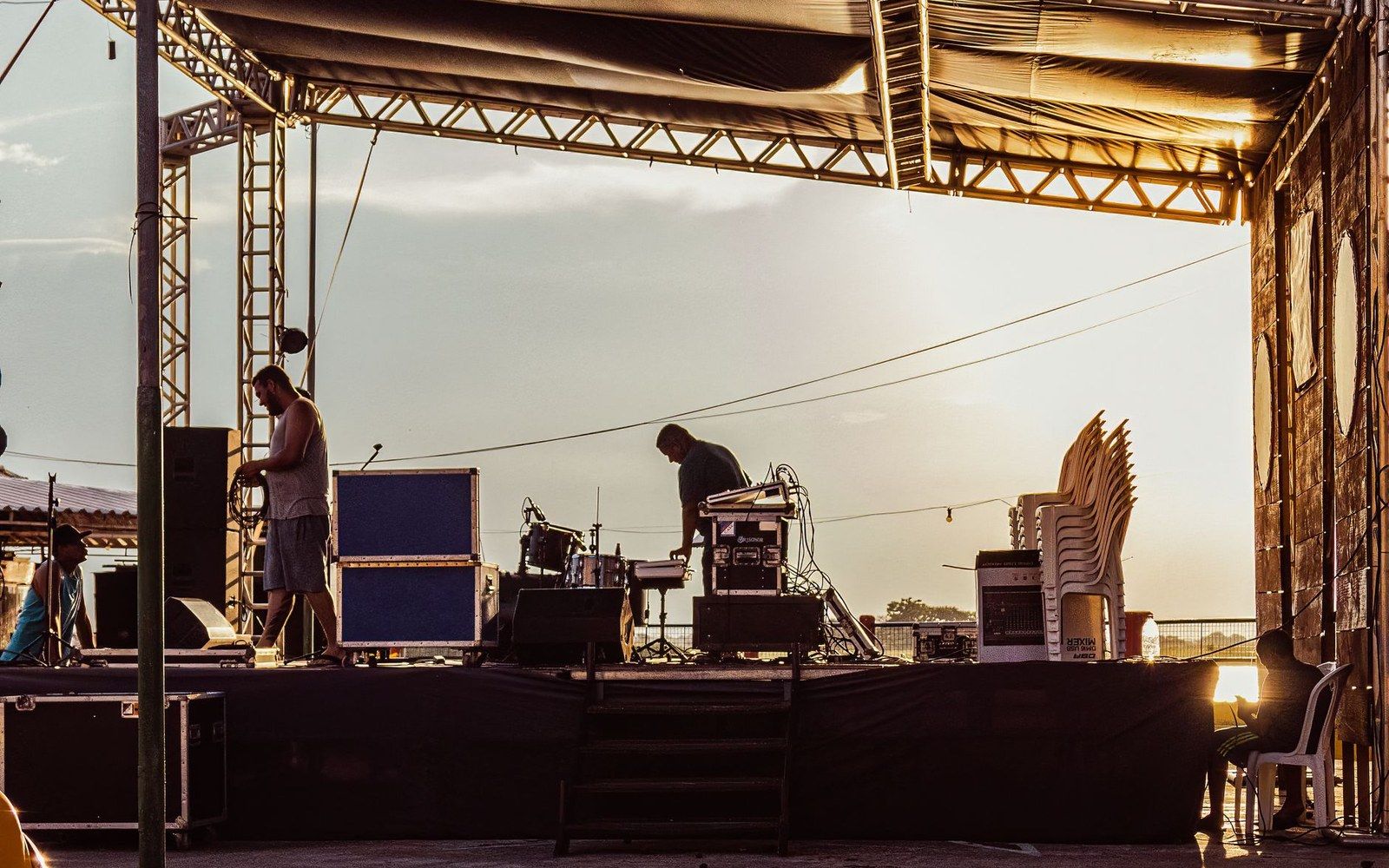
In production terms, the get-out is the reverse of the load-in — every cable, truss, delay tower, generator and barrier moved back out, often in a single overnight shift. At a permanent venue, a company might have days. At a French open-air festival, the landlord's conditions typically allow hours.
The constraint bites hardest at borrowed sites. A Roman theatre, a courtyard, an abbey cloister — none of these is production infrastructure; all of them belong to somebody else, usually a commune, a department or the state.
The Festival d'Avignon vacates the Cour d'honneur on a fixed date because the Palais des Papes is a world heritage monument that receives visitors year-round. The Chorégies d'Orange work around the same logic at the Théâtre Antique. At the Carrière de Boulbon, outside the village of Boulbon in the Bouches-du-Rhône, the quarry simply has other uses when the performance series is done.
The crew doing the get-out is rarely the same in composition as the crew that built the rig. Specialist riggers who signed the loading calculations and hung the weight tend to be on another job by final night; de-rig teams are assembled separately, often from a different pool of technicians.
What travels with them is the paperwork — the rigging plot and the load records — because striking a rig without understanding how it went up is how accidents happen.
How it works — key mechanics
- get-out
- the strike: dismantling and removing all production infrastructure after the final performance, typically overnight
- rigging plot
- the document showing how the rig was assembled; essential to de-rig safely
- de-rig crew
- assembled separately from the build crew; they work from the documentation the riggers left behind
- borrowed site
- a venue owned by a commune, department or state body and returned to its everyday use after the festival
Timing works against everyone. The last audience leaves, the stage power goes to work lights, and the physical reversal of weeks of construction begins in the small hours.
At a field site like Vieilles Charrues on its farmland in Finistère, ground conditions matter: a wet July night turns the access track into the main problem. At a stone site, the limiting factor is usually the single road in and the width of the gate.
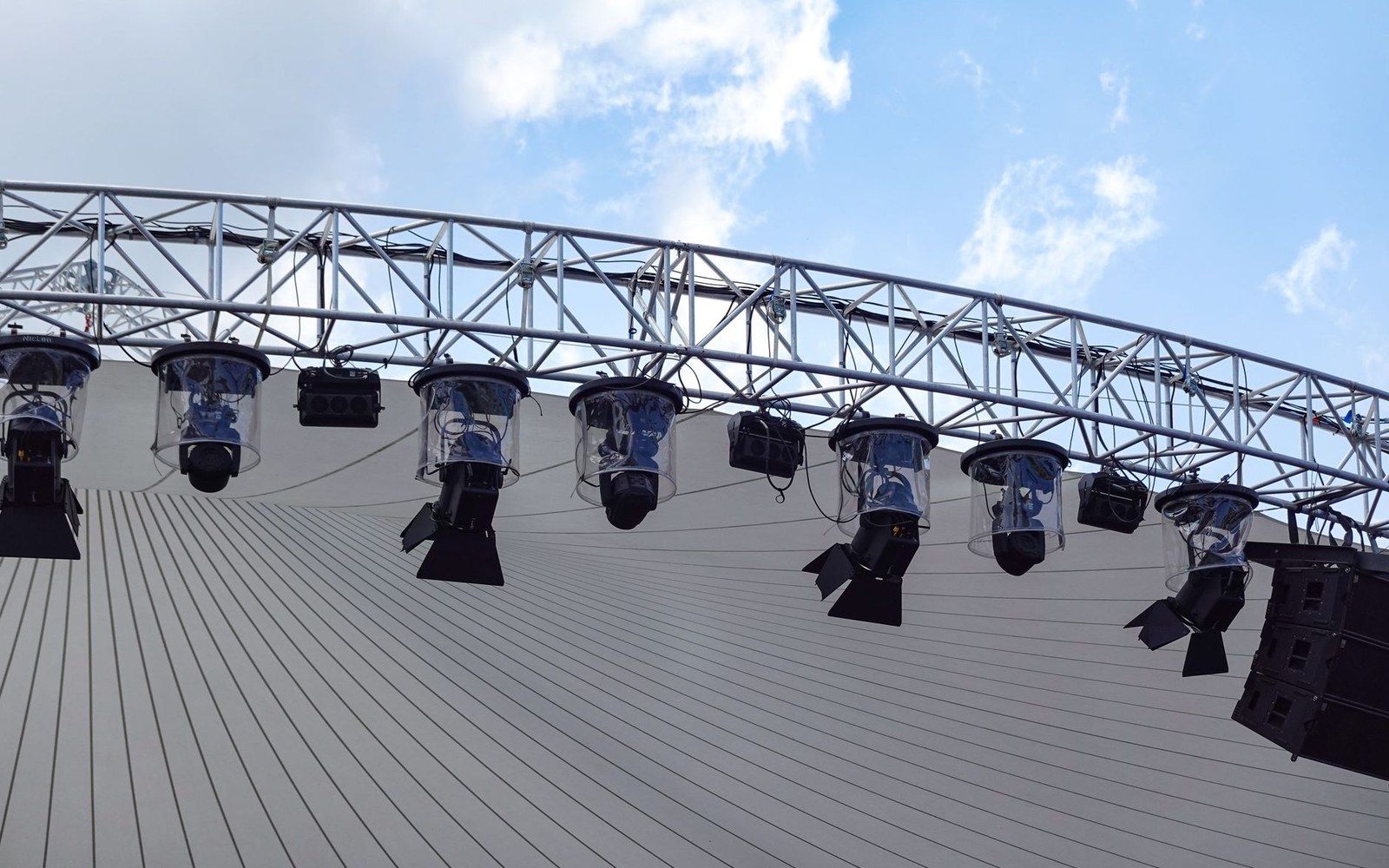
Every festival that returns next year has already negotiated the date it must be gone by. The programme is designed around that clause, not the other way around.
The last audience leaves, the stage power goes to work lights, and the physical reversal of weeks of construction begins in the small hours.