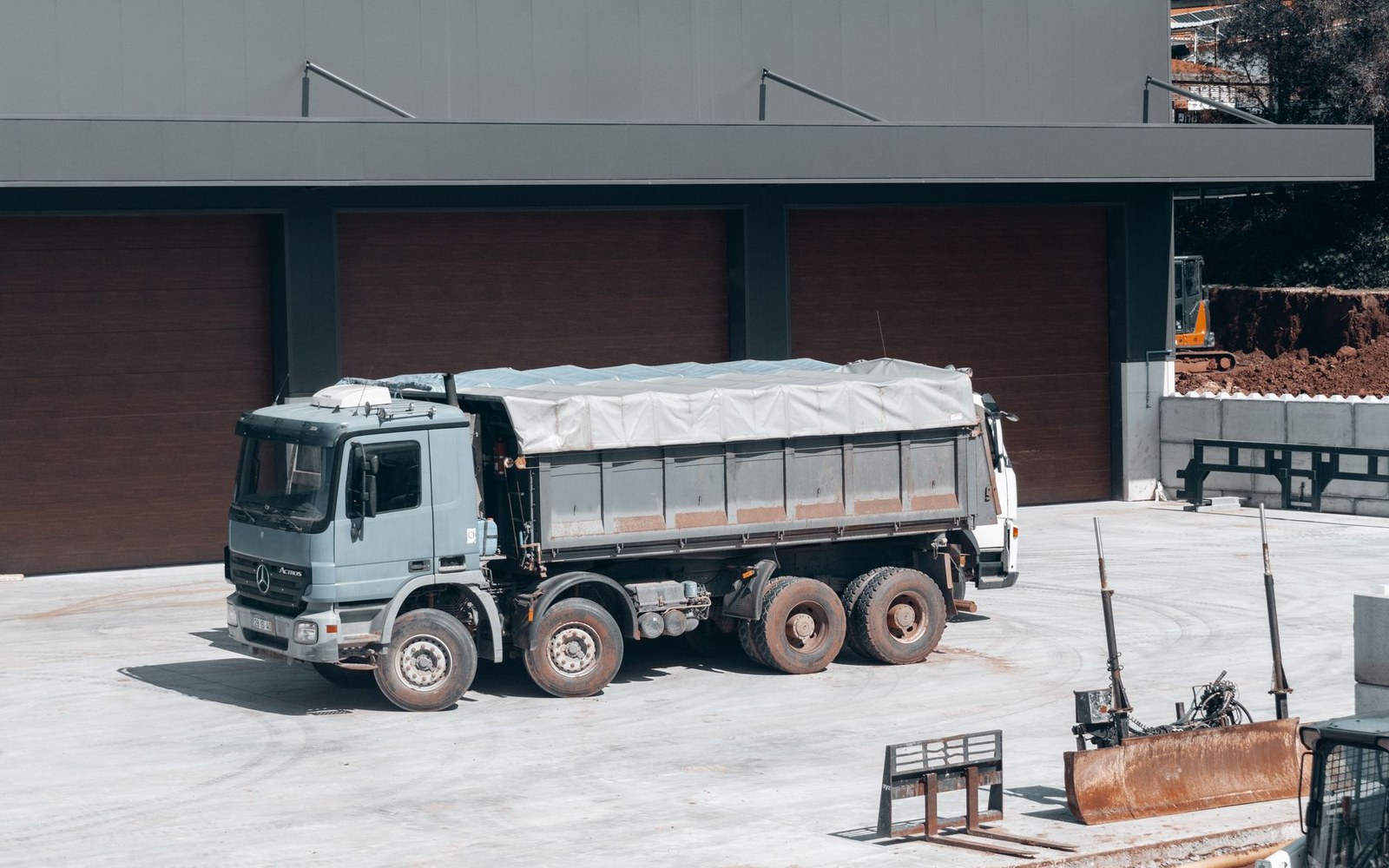
One road in, everything on it
A worked quarry sits where the geology put it, not where a logistics planner would. The access track — usually a single lane cut for dump trucks, not articulated trailers — is the whole supply chain.
At the Carrière de Boulbon, near the commune of Boulbon in the Bouches-du-Rhône, there is no secondary entrance, no service road looping around the back. Every piece of steel truss, every loudspeaker cabinet, every generator arrives and departs by the same route, in the same direction, in an order that has to be planned weeks in advance or nothing fits.
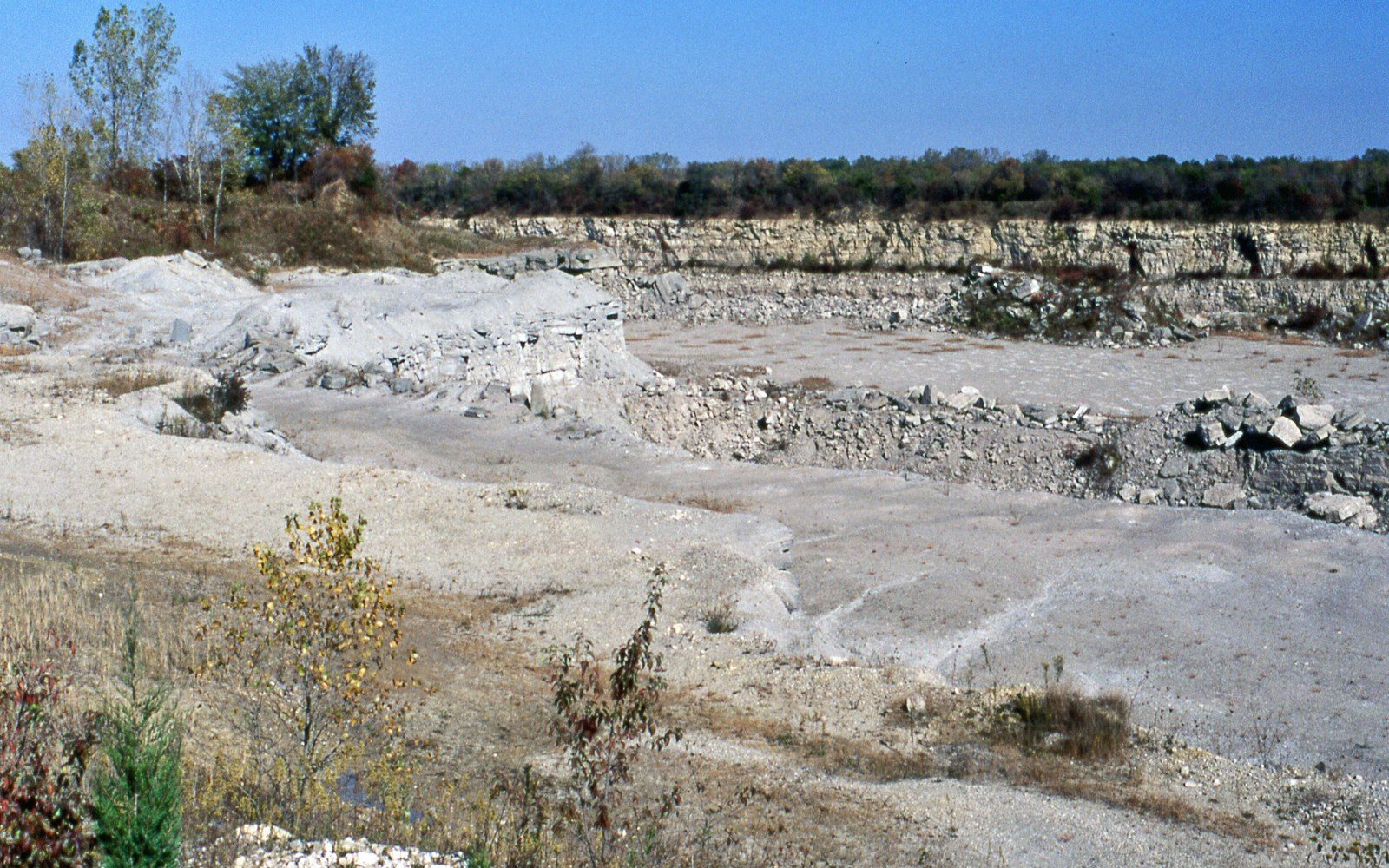
That sequencing is the real production document. Generators come first because without them nothing else can be tested. Rigging steel follows because the get-out date is fixed and the truss must clear before the trucks can leave.
Audio crates go in last and come out first, because the crew testing the system needs the power already live. Reverse any step and the bottleneck becomes a blockage — a forty-foot trailer parked across the only lane while a forklift waits behind it.
Power is the second structural constraint. Quarries have no mains infrastructure; every watt used on site must be generated on site. That means fuel deliveries scheduled around rehearsal and performance, load calculations that account for lighting rigs, mixing consoles, amplifier racks and catering simultaneously, and a noise floor from the generators themselves that the sound design has to absorb.
Key constraints
- One-lane access road
- sequence of vehicles must be planned weeks ahead
- No mains power
- all electricity generated on site, with fuel logistics to match
- Generator placement
- distance from stage set by cable run and acoustic contamination
At large sites, the generators are sited as far from the stage as the cable run allows — partly to reduce acoustic contamination, partly because diesel exhaust near a stone face does nothing good for the air.

What the quarry gives back in atmosphere — the enclosing rock, the stone as a surface that scatters rather than reflects cleanly — it extracts in access complexity. The production manager's first drawing is not a stage plan. It is a traffic flow diagram, and everything else is built around it.
Reverse any step and the bottleneck becomes a blockage — a forty-foot trailer parked across the only lane while a forklift waits behind it.